Difficult Guest or Difficult Situation? How to Turn Complaints into Loyalty
Is there really such a thing as a "difficult guest," or is it just a mismanaged situation? Learn how to leverage the Service Recovery Paradox, the H.E.A.T. model, and Menu Memo to turn complaints into customer loyalty.
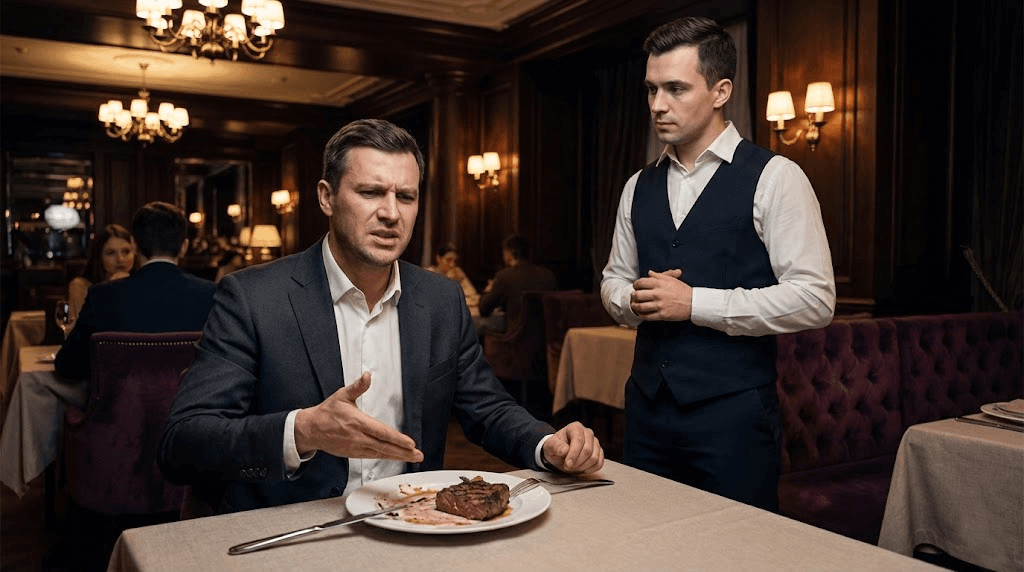
In the hospitality industry, we frequently use the term "difficult guest" to label demanding, impatient, or emotional customers. However, conflict psychology suggests a shift in perspective: are we truly dealing with a difficult person, or rather a difficult situation caused by unmet expectations?
Aggression is rarely a personal attack on a server—it is almost always a signal of an unfulfilled need for respect, quality, or attention.
Anatomy of the Problem: When Emotions Take Over
Most guest complaints stem from objective operational errors in the kitchen or front-of-house, including:
- Subpar Food Quality: Cold food, incorrect seasoning, or dishes that don't match the menu description.
- Excessive Wait Times: Particularly frustrating during peak hours.
- Order Errors: Incorrect steak doneness or unwanted ingredients in the dish.
- Communication Gaps: A lack of clear information regarding allergens.
During a crisis, staff must separate guest emotions from the underlying facts. What feels like an attack is often just customer stress caused by a loss of control over their dining experience.
The True Cost: Time, Revenue, and Brand Risk
Handling complaints unprofessionally creates severe immediate and long-term financial consequences:
- Financial Loss: Acquiring a new guest costs on average 5 times more than retaining an existing one. Furthermore, an unhappy guest tells an average of 11 people about a bad experience, whereas a satisfied one tells only 6.
- Reputational Risk: A single negative review on Google or TripAdvisor can deter dozens of potential diners.
- Team Burnout: Constant firefighting demoralizes floor staff, increases workplace stress, and drives up turnover.
Case Study: The Steak Dispute & The H.E.A.T. Model
Picture a busy Friday night. A waiter serves a prime regular guest, Mr. Mark. He ordered a medium-rare steak, but cutting into the meat reveals it is rare.
Exhausted and hungry after a long workweek, the guest reacts emotionally:
"Are you even listening to orders? This is raw! How much longer do I have to wait?!"
The waiter now faces two choices:
- The Wrong Path: Arguing ("Sir, that is medium-rare") or blaming the kitchen. This escalates the argument and permanently alienates the customer.
- The Effective Path (The H.E.A.T. Model):
- H (Hear): Listens attentively without interrupting.
- E (Empathize): Validates the frustration ("I completely understand your frustration, sir; I would expect my meal prepared exactly as requested as well.").
- A (Apologize): Offers a sincere apology on behalf of the venue without making excuses.
- T (Take Action): Immediately removes the plate, places a priority rush order with the kitchen, and offers a complimentary drink or appetizer to ease the wait.
The Outcome: Thanks to the Service Recovery Paradox, a guest whose complaint is handled exceptionally well often becomes more loyal than if no error had occurred in the first place.
Prevention Over Cure: Product Knowledge with Menu Memo
Most service mistakes—from incorrect orders to allergen miscommunication—result from poor staff training. Relying on word-of-mouth onboarding breeds operational chaos.
This is where Menu Memo transforms restaurant management by automating staff education through AI.
How Menu Memo Protects Your Business:
- Zero Error Margin: Waiters access precise dish specs, ingredients, and allergen data on their smartphones.
- Confident Upselling: Well-trained staff effortlessly recommend wine pairings, sides, and high-margin items.
- Automated Onboarding: The system converts menu PDFs or photos into interactive training modules, freeing up manager time.
Upgrade Your Restaurant Service Today
Are your waiters equipped to handle tough allergen queries and de-escalate floor complaints with confidence?
Schedule a quick demo to test Menu Memo. Discover how automated training builds staff confidence, elevates guest satisfaction, and protects your bottom line.